In today’s world, where self-help mantras and motivational quotes fill our social media feeds, a common piece of advice given to women, and often to people in general, is to “follow your heart“.
The Emotional Trap
The idea is appealing: the notion that if we simply pursue our passions and listen to our emotions, happiness and fulfilment will naturally follow. However, while this advice might sound liberating and empowering, it often overlooks the importance of rational thinking and critical decision-making. This can lead to unintended consequences, particularly for women, who are frequently the primary recipients of this advice.
The encouragement to “follow your heart” is deeply rooted in the belief that our emotions are the truest indicators of our desires and needs. It suggests that by tuning into our feelings, we can navigate life’s challenges more effectively. But the reality is far more complex.
Emotions are inherently volatile and can change from one moment to the next. What feels right today may not align with long-term goals or practical realities. When decisions are made purely based on emotions, without the grounding influence of rational thought, they can lead to regrettable outcomes.
For instance, a woman might choose to leave a stable career to pursue a passion project that feels right in the moment, only to find herself struggling financially and professionally down the line. While passion and enthusiasm are vital components of a fulfilling life, they should be tempered with a clear assessment of risks, benefits, and the broader implications of such a decision.
The Need for Rational Thinking
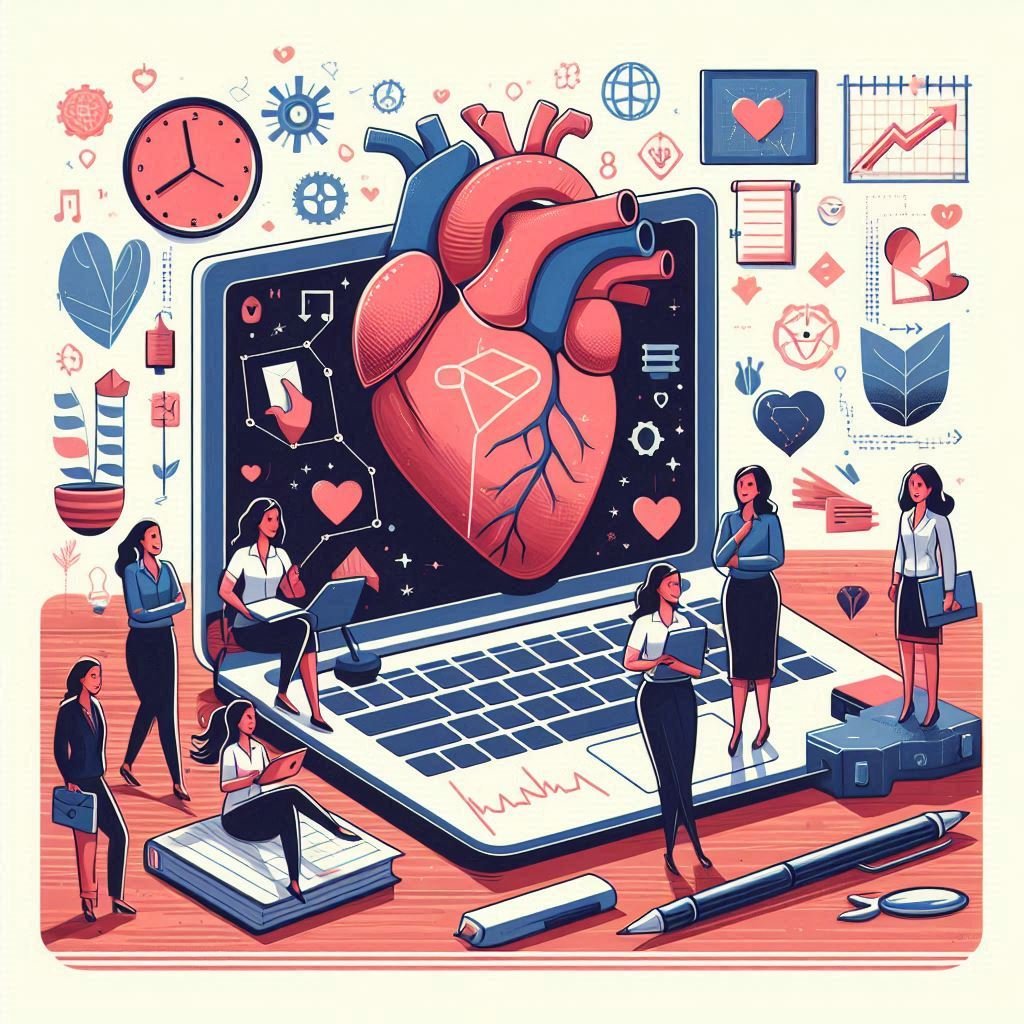
Rational thinking, which involves logic, analysis, and critical reasoning, is essential in making sound decisions. It requires looking at the bigger picture, weighing the pros and cons, and considering the long-term effects of our choices. Unlike emotions, which are often reactive, rational thinking is proactive. It allows us to anticipate potential challenges and devise strategies to overcome them.
Women, in particular, are often socialized to be more empathetic and emotionally attuned, which can make the advice to “follow your heart” more appealing. However, this emphasis on emotional decision-making can sometimes overshadow the need for a more balanced approach. By relying too heavily on emotions, women may inadvertently make choices that lead to unnecessary stress, disappointment, and regret.
The Consequences of Imbalance
When decision-making is skewed heavily towards emotion without the balancing force of rationality, the consequences can be significant. Poor financial decisions, unfulfilling relationships, and career stagnation are just a few examples of what can happen when emotions dominate. This is not to say that emotions should be ignored—they play a crucial role in our lives and can provide valuable insights.
However, they should not be the sole basis for making important decisions.Moreover, the societal pressure on women to prioritize emotions can contribute to a sense of inadequacy or guilt when they attempt to assert rational thinking. Women who choose to make decisions based on logic and analysis rather than emotions may be perceived as cold or unfeeling, reinforcing harmful stereotypes that discourage balanced decision-making.
Striking the Right Balance
So, how can women—and indeed everyone—strike the right balance between heart and head? The key lies in integrating emotions with rational thought. This means acknowledging and valuing our feelings but not letting them dictate our actions without first being scrutinized through the lens of logic and reason.
Before making a major decision, it’s important to ask questions such as:
- What are the long-term implications of this choice?
- How does this decision align with my values, goals, and responsibilities?
- What are the potential risks, and how can they be mitigated?
- Is this decision being driven by a temporary emotional state, or does it reflect a deeper, more consistent desire?
By taking the time to reflect on these questions, women can make decisions that are not only emotionally satisfying but also rationally sound. This balanced approach can lead to more sustainable happiness and success.
So..
Beyond the Heart … While “following your heart” can lead to joy and fulfillment in some cases, it is not a one-size-fits-all solution. Emotions are an important part of the human experience, but they must be balanced with rational thinking to avoid making decisions that lead to regret and misery. Women, in particular, should be encouraged to value their logical reasoning alongside their emotional insights. In doing so, they can make choices that are not only true to themselves but also aligned with their long-term well-being and success.